πŸ•οΈOutdoorHub ✦ phyrenix.com
✦ 16 OUTDOOR TOOLS · FREE INSTANT ANSWERS

Outdoor answers that keep the trail fun and the trip safe.

Water needs, food and energy, Naismith trail times, pack-weight comfort, altitude plans and honest safety-first guides β€” type your trip question and get a straight, careful answer in seconds. The full detailed report costs less than a cup of coffee: $2.95.

16 toolsFree instant local answers β‰ˆ one coffee ($2.95) for the full reportNo sign-up Β· No spam Β· Educational

Pack Weight Comfort Check: Is Your Pack Too Heavy?

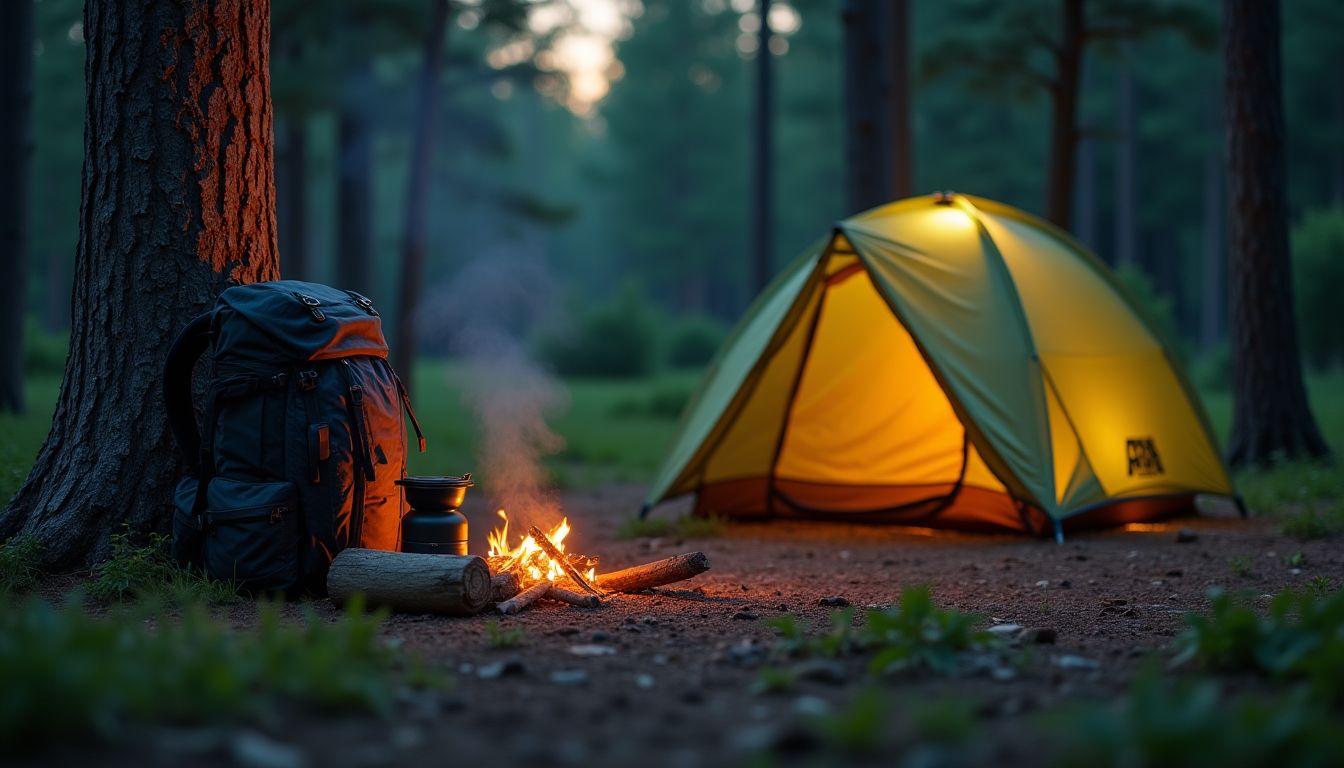
A loaded hiking pack leaning against a tent at a forest campsite, camp stove and food bags ready in warm evening light β€” trip and camp preparation guide

Every gram in your pack is paid for with every step, and most hikers discover their pack is heavier than it should be only after the knees start complaining. The standard comfort guideline is that a loaded pack should stay around 15-20% of your body weight, with 25% as the firm ceiling for most people. This calculator separates the two components that matter β€” base weight (pack and gear that never gets consumed) and consumables (food, water and fuel, which shrink daily) β€” and compares the total to your body weight. The verdict tells you where you sit, and the guidance underneath is blunt about the fix: cutting base weight is nearly always the right lever, because a kilo saved in gear is carried on every single step of every day.

⚑ Free instant check

Check whether your total pack weight β€” base gear plus food and water β€” sits in a comfortable range for your body weight, using the common 20% guideline.

❓ Pack Weight Comfort Check: Base + Consumables vs Body Weight β€” FAQ

What percentage of body weight should a pack be?

The widely used comfort guideline is 15-20% of body weight for a loaded pack, with 25% as a ceiling for most people. For a 70 kg hiker that means roughly 11-14 kg loaded β€” beyond that, joints and energy pay a heavy tax.

What counts as base weight vs consumables?

Base weight is the pack itself plus everything that does not get used up β€” tent, sleeping bag, pad, cook kit, clothing. Consumables are food, water and fuel, which start heavy and get lighter every day. Planning them separately shows where the real savings are: base weight, which you carry every step.

How do I actually lighten my pack?

Cut base weight first β€” a lighter tent, pad, bag or pack saves grams you carry all day, every day. Then trim consumables by planning water sources and repackaging food. Weigh everything once; most hikers are surprised by what the 'small extras' add up to.

πŸ•οΈ All outdoor tools

Every tool answers instantly from our own knowledge and calculators β€” no AI wait, no account. Honest estimates built on widely used outdoor rules of thumb (Naismith, hydration and pack-weight guidance), always safety-first and educational β€” never a substitute for local knowledge, training or judgement. In an emergency while out, call 911 (US/Canada) or your local emergency number. Want the deeper, personalised version? Each has a $2.95 full report.

πŸ₯Ύ Hike Day Planning
πŸ•οΈ Trip & Camp Prep
🧭 Safety & Trail Smarts
Educational information only β€” not medical advice, and never a guarantee of safety or outcomes. Terrain, weather and fitness vary: check current conditions locally before you go. In an emergency call 911 (US/Canada) or your local emergency number. Refunds honoured.
Β© 2026 Outdoor Hub Β· part of the phyrenix.com network Β· WebMCP manifest Β· tools.json