🏕️OutdoorHub ✦ phyrenix.com
✦ 16 OUTDOOR TOOLS · FREE INSTANT ANSWERS

Outdoor answers that keep the trail fun and the trip safe.

Water needs, food and energy, Naismith trail times, pack-weight comfort, altitude plans and honest safety-first guides — type your trip question and get a straight, careful answer in seconds. The full detailed report costs less than a cup of coffee: $2.95.

16 toolsFree instant local answers ≈ one coffee ($2.95) for the full reportNo sign-up · No spam · Educational
Hike Water Needs Calculator: How Much to Carry

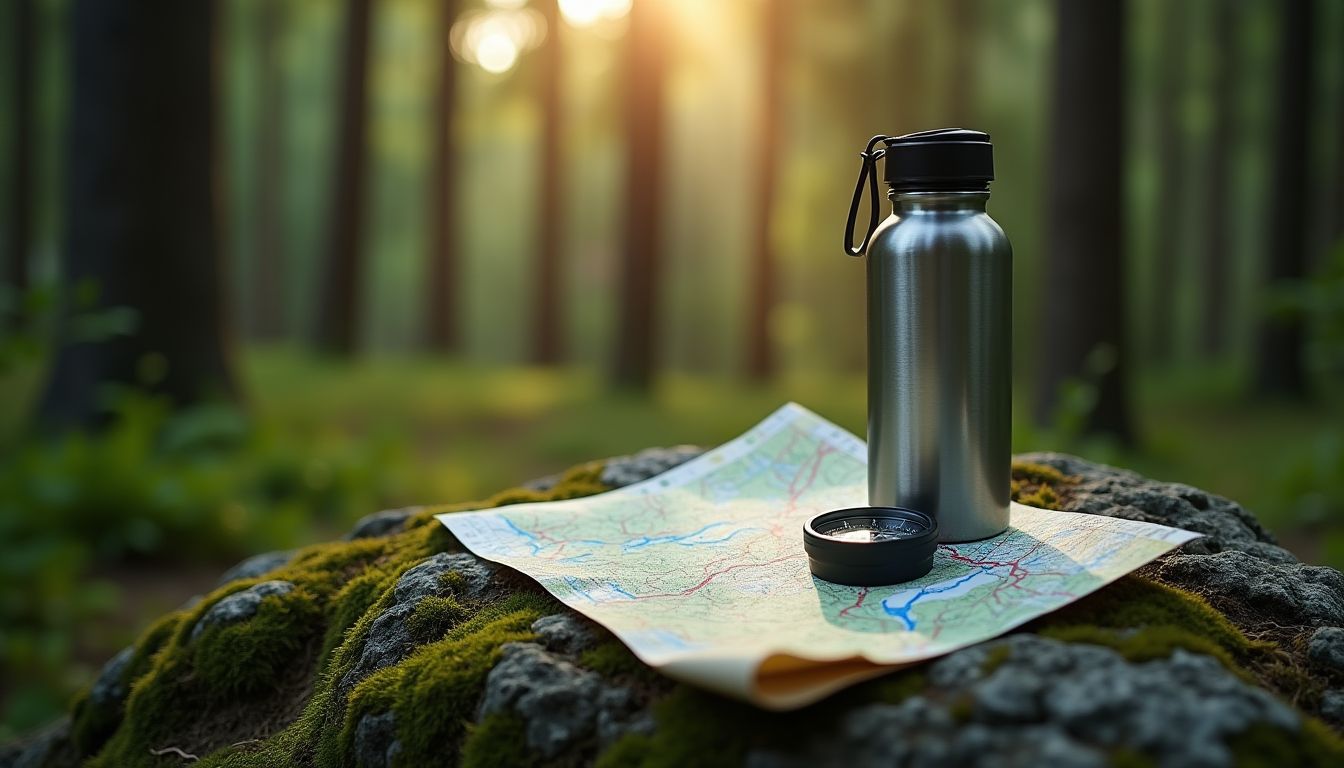
A hiker checking a map and water bottle at a forest trailhead in golden morning light through deep green pines — day hike planning guide

Getting water wrong ruins more days than any other single mistake: too little and you dehydrate on a hot climb, too much and you carry a kilo per litre you may never drink. This calculator starts from the widely used planning rule of about 0.5 L per hour at moderate effort in mild conditions, then adjusts for two things that move the number most — air temperature and how hard you are actually working. The result is a litres-per-hour figure, a total for your day and a carry recommendation with a sensible buffer, plus the honest caveats: hot days, big packs and steep terrain push the rate toward 1 L per hour, and a filter on a known water source beats carrying everything.

⚡ Free instant check

Work out how many litres of water to carry for a hike — based on hours out, air temperature and effort level, with the widely used 0.5-1 L per hour rule as the backbone.

❓ Hike Water Needs Calculator: How Much to Carry — FAQ

How much water per hour do most hikers need?

The common planning figure is about 0.5 L per hour at moderate effort in mild conditions, rising toward 1 L per hour in heat above about 26°C or on hard climbs. Your real need depends on body size, pace, pack weight and the sun — treat the range as a floor, not a ceiling.

Is it better to carry more water or filter on the trail?

For short day hikes, carrying a comfortable buffer is simplest. Once the day needs more than about 4 L — or the route is long and hot — a filter or treatment tablets plus a known water source saves you kilograms of carry. Mark sources on your map before you leave.

Do I need less water on a cold hike?

No — cold air is dry and heavy layers drive steady fluid loss even without visible sweat. Keep the same hourly planning on cold days, and add warm drinks if the hike is long, because dehydration makes cold injuries more likely.

🏕️ All outdoor tools

Every tool answers instantly from our own knowledge and calculators — no AI wait, no account. Honest estimates built on widely used outdoor rules of thumb (Naismith, hydration and pack-weight guidance), always safety-first and educational — never a substitute for local knowledge, training or judgement. In an emergency while out, call 911 (US/Canada) or your local emergency number. Want the deeper, personalised version? Each has a $2.95 full report.

🥾 Hike Day Planning
🏕️ Trip & Camp Prep
🧭 Safety & Trail Smarts
Educational information only — not medical advice, and never a guarantee of safety or outcomes. Terrain, weather and fitness vary: check current conditions locally before you go. In an emergency call 911 (US/Canada) or your local emergency number. Refunds honoured.
© 2026 Outdoor Hub · part of the phyrenix.com network · WebMCP manifest · tools.json