πŸ•οΈOutdoorHub ✦ phyrenix.com
✦ 16 OUTDOOR TOOLS · FREE INSTANT ANSWERS

Outdoor answers that keep the trail fun and the trip safe.

Water needs, food and energy, Naismith trail times, pack-weight comfort, altitude plans and honest safety-first guides β€” type your trip question and get a straight, careful answer in seconds. The full detailed report costs less than a cup of coffee: $2.95.

16 toolsFree instant local answers β‰ˆ one coffee ($2.95) for the full reportNo sign-up Β· No spam Β· Educational

Hike Food & Energy Estimate: Calories for the Trail

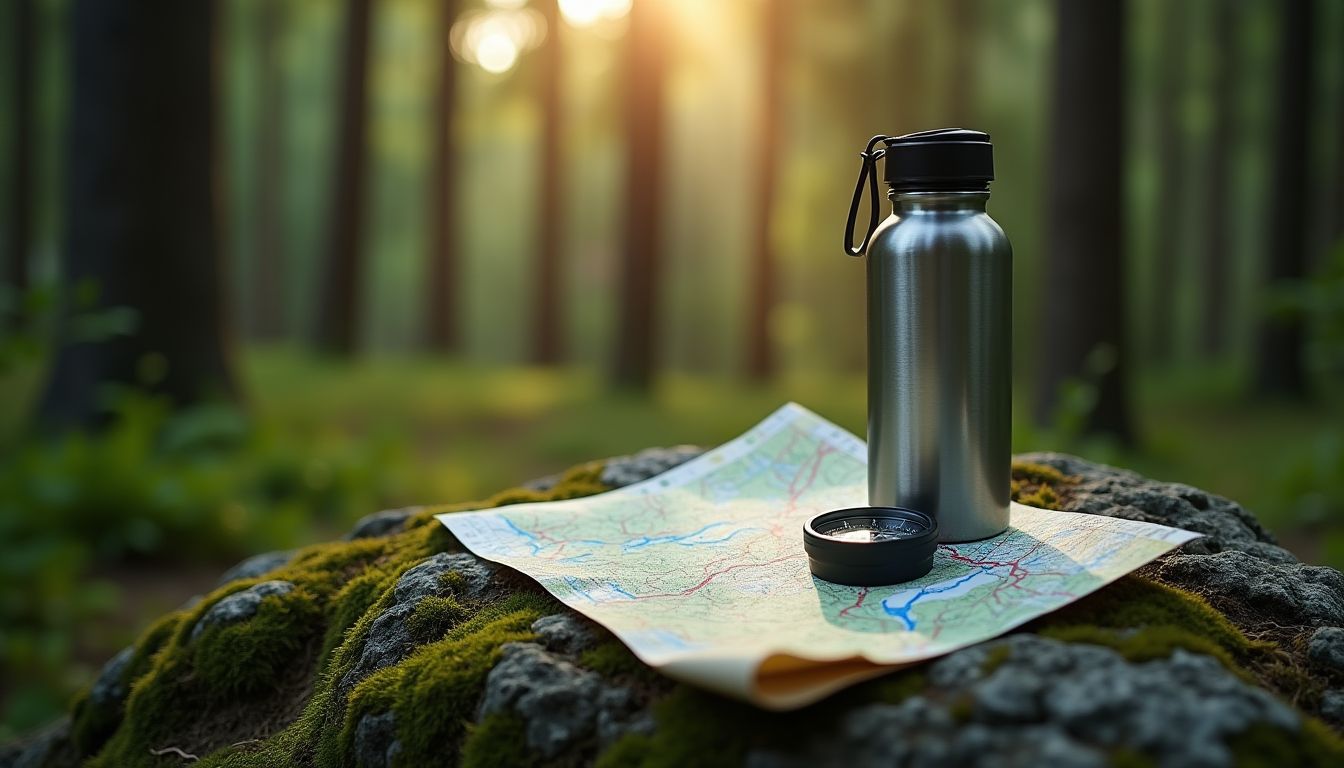
A hiker checking a map and water bottle at a forest trailhead in golden morning light through deep green pines β€” day hike planning guide

A hike is a moving energy bill, and most people either underfuel and hit the wall or overpack and carry kilos of uneaten food. This calculator estimates the calories you will burn from three honest inputs β€” body weight, time moving and effort level β€” using the standard approximation of roughly 300-600 kcal per hour for hiking. It then suggests how much of that to replace with trail food: for any outing over two hours, steady small snacks beat one big meal, and a realistic planning density is about 4-5 kcal per gram of food. The verdict scales with the length of the day so a two-hour wander gets a very different answer from a full alpine traverse.

⚑ Free instant check

Estimate the calories a hike will burn and how much trail food to pack, using body weight, hours and effort β€” so you fuel the day instead of bonking halfway up.

❓ Hike Food & Energy Estimate: Calories for the Trail β€” FAQ

How many calories does hiking actually burn?

A reasonable planning estimate is 300-600 kcal per hour depending on body weight, pace and pack. A steep ascent with a full pack sits at the top of that range, a gentle valley stroll near the bottom. The calculator uses your weight and effort level to pick a figure in between.

How much food should I carry for a full day hike?

For outings over two hours, plan roughly 100-200 kcal of snacks per hour of activity β€” bars, nuts, dried fruit or sandwiches. A full active day for most adults lands around 2,500-3,500 kcal in total, which is about 600-800 g of typical trail food.

What should I eat to avoid running out of energy?

Eat before you feel hungry β€” hunger on the trail means glycogen is already dipping. Small, frequent snacks of carbohydrate plus a little protein and fat keep energy steady, and testing new foods at home first avoids discovering a problem mid-hike.

πŸ•οΈ All outdoor tools

Every tool answers instantly from our own knowledge and calculators β€” no AI wait, no account. Honest estimates built on widely used outdoor rules of thumb (Naismith, hydration and pack-weight guidance), always safety-first and educational β€” never a substitute for local knowledge, training or judgement. In an emergency while out, call 911 (US/Canada) or your local emergency number. Want the deeper, personalised version? Each has a $2.95 full report.

πŸ₯Ύ Hike Day Planning
πŸ•οΈ Trip & Camp Prep
🧭 Safety & Trail Smarts
Educational information only β€” not medical advice, and never a guarantee of safety or outcomes. Terrain, weather and fitness vary: check current conditions locally before you go. In an emergency call 911 (US/Canada) or your local emergency number. Refunds honoured.
Β© 2026 Outdoor Hub Β· part of the phyrenix.com network Β· WebMCP manifest Β· tools.json